
Environmental Marketing: Best UK Beaches in Business
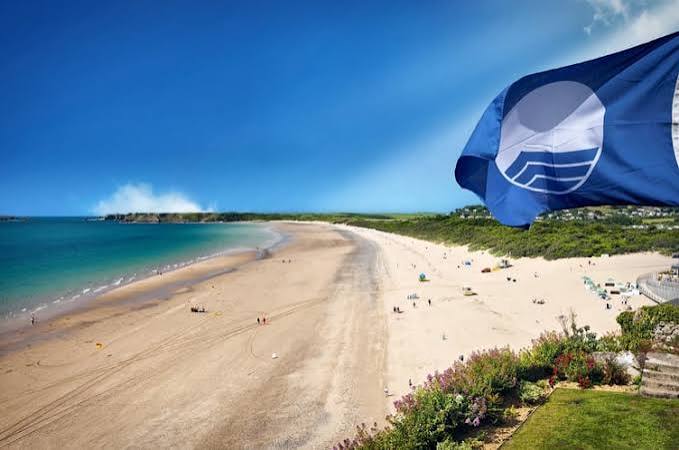
The UK coastline is a tapestry of dramatic cliffs, vast golden sands, and bustling piers, and nowhere is this diversity more celebrated than in the annual Blue Flag and Seaside Awards. These awards, run by environmental charity Keep Britain Tidy, are designed to “raise standards across England’s coastline and inland waters, while shining a spotlight on the country’s top beaches”. But what does this national recognition mean for the local economy?
For businesses in coastal towns, a prestigious beach award isn’t just a badge of honour; it is a powerful economic engine. As we look at the “Best Beach” lists, one name consistently dominates the headlines, and its success offers a masterclass in leveraging environmental excellence for commercial gain.
Why Woolacombe Beach is a Perennial Winner
Woolacombe Beach in North Devon has become synonymous with quality, frequently topping polls as the best beach in Britain. But how does it maintain this status?
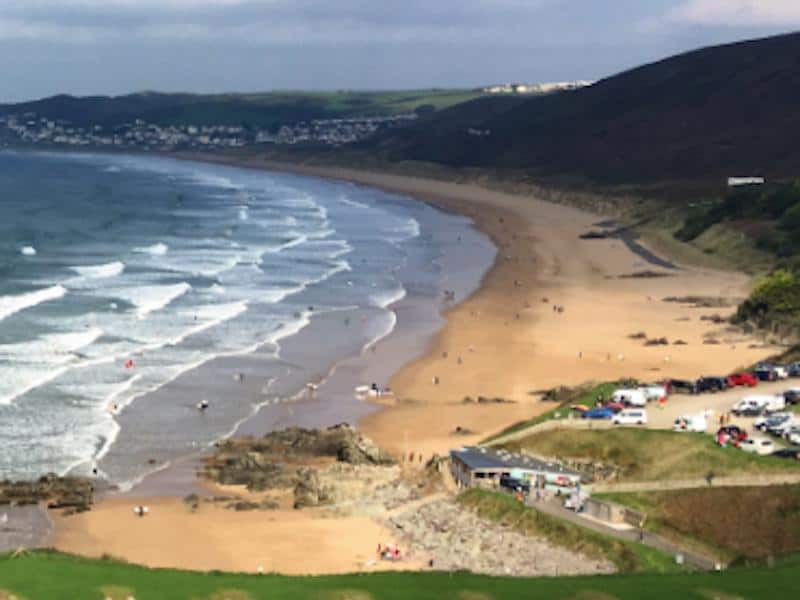
It is a combination of nature and nurture. Stretching over three miles of golden sand, backed by dunes and with views of Lundy Island, the setting is naturally idyllic. However, what cements its award-winning status is the commitment to infrastructure and environmental management.
Woolacombe consistently meets the rigorous criteria required for both the Blue Flag and Seaside Awards. This isn’t just about aesthetics; it involves strict environmental management, high water quality standards (meeting the “excellent” standard), and safety and service provisions like lifeguards. It is this blend of stunning geography and meticulous management that ensures Woolacombe continues to receive global accolades, including recognition from TripAdvisor as one of the best in Europe.
The Business Case for a Clean Coastline
The link between environmental quality and business success is becoming increasingly tangible. According to recent economic data, coastal economies attracted £1.35bn in equity and grant investment in 2025. While much of this is driven by maritime technology and ports, the leisure and hospitality sector is a key beneficiary of “clean and safe” branding.

Businesses in areas like Woolacombe see a direct return on the investment in the local environment. High standards result in high footfall. A survey by WRAP highlighted that 90% of UK homes regularly recycle, showing a public consciousness towards environmentalism that translates into consumer choices. Tourists are increasingly likely to choose destinations that demonstrate environmental credibility and “well-managed space”.
How Businesses Can Harness the Environment for Publicity
You don’t need a three-mile stretch of sand to capitalize on this green wave. If your business is in a coastal area that has been recognised for its environmental quality, you have a unique marketing opportunity.
1. Claim the “Earned Media” Opportunity
Winning an award like the Blue Flag is essentially free publicity waiting to be amplified. As seen with businesses accredited by programmes like “Investors In The Environment”, third-party validation is a powerful form of “earned media” that builds brand reputation and can increase sales. Businesses should be proactive in sending press releases to local and trade media, highlighting how their business benefits from and contributes to the clean beach environment.
2. Engage in Thought Leadership
The UK is seeing significant investment in clean maritime technology and coastal economies. Businesses in these areas can position themselves as thought leaders. By writing blogs or posting on social media about how their operations align with the “Blue Flag” ethos, or how they benefit from the local clean environment, they can boost their corporate reputation. One case study showed that such campaigns can increase public perception of a company ‘caring about the environment’ by as much as 83%.
3. Drive Innovation
The future of UK coastal economies is increasingly tied to “advanced technology” and green innovation. Businesses that invest in sustainable practices or support local coastal conservation aren’t just doing good; they are future-proofing their business and attracting investment. Whether it’s reducing waste or supporting the local ecosystem, these actions provide authentic stories to share with a public that values sustainability.
Conclusion
Woolacombe Beach sets the gold standard for what happens when environmental management meets natural beauty. For Southoverbeach.co.uk and its audience, the lesson is clear: the environment is not just a backdrop for business; it’s a key stakeholder. By leveraging the acclaim of the UK’s best coastlines and actively participating in the “clean and safe” narrative, businesses can secure not only a spot on the beach but a solid place in the market.