

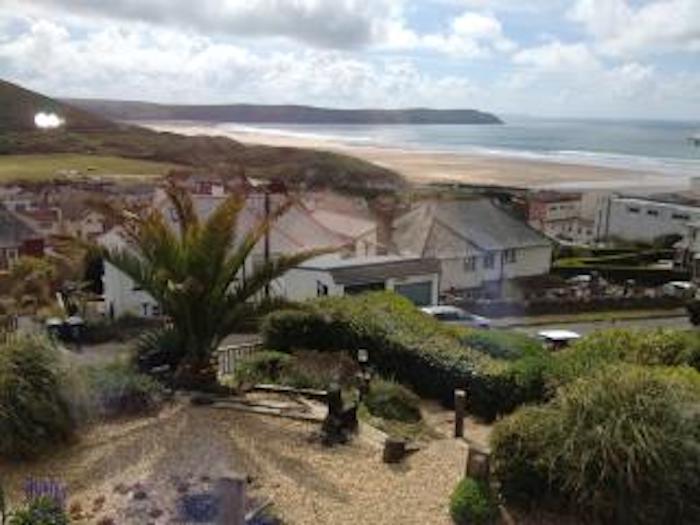
UK Tourism Since the Pandemic: How North Devon Won the Staycation Boom
Few industries were hit as hard as UK tourism in 2020. Overnight, hotels, holiday parks, attractions and seaside businesses went from peak-season planning to enforced closure. Yet the years since have reshaped the sector, and some destinations have come out stronger than they went in. North Devon, and Woolacombe in particular, is a case study in how.
What changed after the pandemic
The most obvious shift was where people chose to go. With international travel restricted and uncertain, millions of Britons rediscovered their own coastline like Devon and Cornwall, countryside and national parks. The staycation went from a fallback to a first choice.
But the changes ran deeper than geography:
- Booking behaviour. People book later, expect flexible cancellation, and compare options online before committing.
- Value for experience. Visitors want space, fresh air, activity and a story to tell, not just a bed for the night.
- Longer stays and shoulder seasons. Remote and hybrid working blurred the line between holiday and workday, boosting midweek and out-of-season trips.
- Staffing pressures. The sector lost experienced people during lockdowns, and recruitment has stayed difficult ever since.
- Rising costs. Energy, food, wages and borrowing costs have squeezed margins even where demand is strong.
Why Woolacombe and North Devon stood out
North Devon had advantages that suited the moment. Woolacombe offers miles of open sand, big skies and a surf culture that feels adventurous without being intimidating. Nearby Croyde, Saunton, Braunton and the Exmoor coast add variety, from dunes and cliff walks to country pubs and local food.
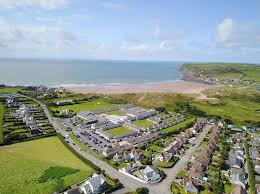
Self-catering apartments in Woolacombe like Southoverbeach invested in more apartments to broaden their range from couples to large families with an accent on sporting facilities like wet suit storage and hot showers. Plus, their sea view balconies are a big draw for visitors.
Crucially, the area did not simply wait for demand to arrive. Operators invested while competitors hesitated:
- Upgraded accommodation. Holiday parks, hotels and self-catering owners improved quality, adding better facilities, premium lodges and more comfortable, design-led stays.
- Year-round appeal. Winter storm-watching, coastal walking, surf lessons and cosy short breaks have helped extend a season that once ended in September.
- Stronger local identity. Independent cafes, farm shops, distilleries and food producers gave visitors reasons to spend locally and return.
- Outdoor-led experiences. Surfing, coasteering, paddleboarding and cycling matched a post-pandemic appetite for active, outdoor time.
- Better digital presence. Businesses that invested in good websites, photography, reviews and direct booking captured demand rather than handing it to intermediaries.
The result is a destination that many first-time visitors in 2020 and 2021 chose to revisit, which is the real measure of success. A boom driven by necessity only lasts if the experience earns loyalty.
The pressure points ahead
None of this makes the future simple. As overseas travel has recovered, the UK has to compete again with guaranteed sunshine and favourable exchange rates. Household budgets remain tight, and a weak British summer can still hurt a season. Coastal communities also face genuine tension around housing, second homes and infrastructure, as visitor numbers strain roads, car parks and services.
What tourism businesses should think about next
1. Compete on experience, not just price. Discounting is a race nobody wins. Distinctive, memorable stays and activities justify better rates and generate the reviews that drive future bookings.
2. Own your customer relationship. Collect email addresses, encourage direct bookings and build a community of returning guests. Repeat visitors cost far less to win than new ones.
3. Plan for the whole year. Midweek offers, winter breaks, events and partnerships with local businesses can smooth demand and make staffing more sustainable.
4. Invest in people. Training, fair pay and good working conditions are no longer optional extras. Service quality is often the deciding factor in whether guests return.

5. Take sustainability seriously. Visitors increasingly care about environmental impact, and a protected landscape is the asset the whole industry depends on. Reducing waste, supporting local suppliers and managing visitor pressure protect both the product and the reputation.
6. Stay flexible. The pandemic proved how quickly conditions can change. Diversified income, sensible cash reserves and adaptable offers make businesses far more resilient.
The bottom line
The staycation boom was partly luck, but North Devon’s success since is largely down to smart investment and a genuinely appealing product. The lesson for any tourism business is that demand follows quality, character and a good reason to come back. Those who keep improving, listening to guests and looking after their people and place will be best positioned for whatever the next few years bring.
FAQ: Has the UK tourism economy fully recovered from the pandemic, and how does North Devon fit into that picture?
The recovery has been uneven. While 2024 marked the first year since the pandemic that overall UK visitor numbers exceeded 2019 levels, the domestic staycation market has softened compared to the post-pandemic boom . Nationally, domestic overnight trips and spending have faced pressure from the cost of living, with some analyses showing a decline in seaside and countryside staycation spend in recent years . North Devon, however, presents a more resilient picture than the national average. Local operators like Woolacombe Bay Holiday Parks have reported strong forward bookings, with growth driven by targeted investment in premium accommodation and facilities rather than just a rebound in visitor volume . So, while the UK economy has recovered in volume, North Devon’s staycation sector is thriving by focusing on quality and meeting modern demand for flexible, high-end coastal breaks.
FAQ : What is driving the demand for North Devon staycations right now?
Demand for North Devon is being fueled by a mix of economic and lifestyle factors. On the economic side, cost-of-living pressures and high foreign travel costs (including fuel and flight uncertainty) are encouraging Brits to look closer to home for their holidays . On the lifestyle side, there has been a lasting shift in preferences toward flexible, experience-led breaks. Visitors are seeking high-quality amenities, multi-generational accommodation, and the ability to book activities in advance . Local businesses have responded by investing heavily in this premium segment; for example, Woolacombe Bay has spent £10 million upgrading caravans, adding en-suites, hot tubs, and new leisure facilities like waterslides and surf simulators to meet the expectation for “luxury” domestic holidays . Essentially, North Devon is capitalizing on the staycation trend by offering a product that competes on quality, not just convenience.
FAQ : Is the North Devon staycation boom sustainable, or is it just a temporary trend?
The current boom appears to be evolving into a structural shift rather than a temporary spike, though it comes with challenges. The pandemic accelerated a “rediscovery” of domestic coastal holidays, and investment data suggests this is lasting; the UK holiday park sector has grown significantly in value, and operators are continuing to invest in upgrades for future seasons . However, the sector is not immune to broader economic headwinds. National data shows that domestic tourism spend is under pressure, and not all regions or operators are benefiting equally . For North Devon to sustain its success, it will need to continue addressing industry-wide challenges such as rising operational costs, workforce shortages, and the need for year-round appeal beyond the peak summer months . The focus on premium, experience-rich holidays and repeat visits will likely be key to weathering future economic uncertainty