


The Staycation Boom: Why Devon is the Business-Smart Choice for 2026
For the UK tourism industry, 2026 has been a year defined by a sharp reset in consumer behaviour. The global landscape, shaped by geopolitical tensions and volatile oil prices, has fundamentally altered the economics of travel.
With jet fuel costs doubling and airlines passing those costs directly onto consumers, the traditional British holidaymaker is rethinking the annual pilgrimage abroad. The result is a significant, economically driven resurgence of the domestic staycation, with the South West—and Devon in particular—emerging as a primary beneficiary.
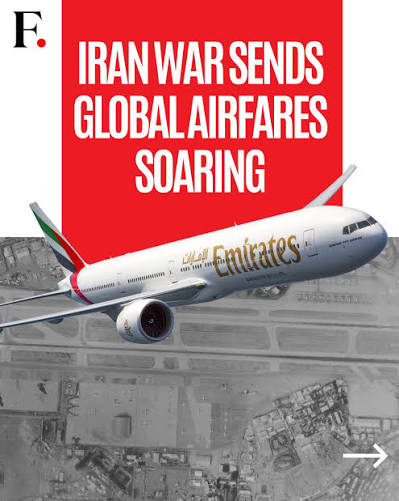
The business case for staying local is undeniable. Earlier this year, major carriers warned that ticket prices would need to rise by as much as 20% to offset fuel costs, with some routes facing hefty surcharges. For families and couples watching their disposable income, the math has become straightforward: a flight abroad now carries a premium that many are unwilling to absorb.
Instead, Barclays card spending data reveals a clear pivot; while airline spending contracted by 6%, domestic accommodation and hotel spending grew by 2.6%, with the South West identified as the most popular destination for these redirected funds. The staycation is no longer just a patriotic choice; it is a financially pragmatic one.

For Devon, this shift has translated into a robust, if nuanced, trading period. Visit Devon characterised the 2026 season as a “mixed bag,” but coastal locations have thrived. The county’s natural assets—its beaches and coastlines—have acted as a buffer against the cost-of-living squeeze.
Rather than paying for expensive attractions, visitors have opted for “beach days,” prioritising free or low-cost experiences that still deliver a sense of escape. This resilience is further underscored by AA Media research, which found that 41% of UK travellers planned to visit the South West in 2026, drawn by coastal breaks that remain the nation’s favourite type of getaway. For local businesses, the message is clear: value and quality of setting are paramount.
As the market matures, the definition of a “good” staycation has evolved. Travellers are not merely seeking a substitute for a foreign holiday; they are demanding better standards. AA Media noted that 63% of travellers planned to spend more on “better accommodation,” and over half prefer to book directly with properties that offer quality ratings and comprehensive amenities.
The successful operators in Devon are those who recognise that the modern staycationer wants a seamless, comfortable experience that feels like a genuine break, not a compromise. They want the convenience of home combined with the distinct pleasure of a coastal setting, all without the hidden costs of airport parking, transfers, and inflated in-resort prices.
This is precisely where a destination like Southover Beach in Woolacombe comes into its own. For the business-minded traveller or the family finance officer, the proposition is one of high-yield relaxation. These five-star self-catering apartments offer a genuinely cost-effective alternative to the spiralling expense of overseas travel.

With comprehensive home-from-home amenities—including fully equipped kitchens, private parking, and dedicated surf storage—the hidden costs of eating out and parking are eliminated. The value here is not simply the nightly rate; it is the ability to control your own budget while enjoying one of the UK’s finest beaches on the doorstep. With Woolacombe’s golden sands and reliable surf just steps away, Southover Beach provides the exact blend of quality, location, and financial sense that the 2026 staycation market demands. In a year where every pound counts, it remains a standout investment in rest and recuperation.

FAQs
How exactly has the war in Iran made flying abroad more expensive?
The conflict has primarily driven up the cost of jet fuel. Before the US/Israel-Iran conflict escalated, jet fuel was around $85–$90 per barrel; it has since spiked to between $150 and $200 . Because fuel accounts for roughly 25% of an airline’s operating costs, carriers like Cathay Pacific, Qantas, and Air New Zealand have passed these increases onto passengers through higher fares and fuel surcharges . Industry experts, including IATA’s Director General, have warned that ticket prices could rise by as much as 8–9% as a result .
Are flight prices likely to come down soon if the conflict ends?
Unfortunately, probably not immediately. Even if the fighting stops, aviation experts predict that high ticket prices will persist for several months . Airlines need time to restore normal flight schedules, reallocate aircraft and crew, and secure stable fuel supplies. Furthermore, the damage to energy infrastructure and the disruption to supply chains mean that fuel costs may not return to pre-war levels quickly, keeping pressure on airfares .
Is it just the fuel surcharge, or are there other reasons flights are pricier?
Fuel is the biggest factor, but it is not the only one. The conflict has also forced airlines to reroute flights to avoid Middle Eastern airspace, which burns more fuel and takes more time . Additionally, some airlines have cancelled flights or reduced capacity due to the instability, shrinking the number of available seats. When you combine fewer seats with steady demand, the remaining tickets become more expensive .
Given these price hikes, is a North Devon staycation actually cheaper than going abroad?
For many travellers, yes. When you factor in the new, higher airfares, airport transfers, and the potential for currency exchange fluctuations, a self-catering cottage or a caravan break in North Devon often provides much better value . You eliminate the airport stress and the risk of flight delays or cancellations linked to global instability. Staying local means your budget goes directly toward your accommodation and experiences—like surfing at Croyde or exploring Exmoor—rather than being eaten up by fuel surcharges .
I was planning to book a flight later this year. Should I wait or book now?
If you are still set on going abroad, booking sooner rather than later is generally the safer bet. Industry analysts note that fares are fluctuating and rising, and there is significant uncertainty about supply . Waiting runs the risk of facing even higher prices if the conflict continues or if airlines further reduce their schedules. For those who are flexible, however, opting for a UK staycation removes this financial gamble entirely, allowing you to lock in your holiday costs without worrying about geopolitical events driving up your travel bill