


A Guide to Eye Care, Common Concerns, and Costs for Expats in Thailand
For expats living in Thailand, access to world-class medical care is a significant perk of life in the “Land of Smiles.” This is particularly true for eye care, where the country has become a global hub for advanced treatments and surgeries. Whether it’s a routine checkup or a complex procedure, Thailand offers an exceptional standard of care at remarkably affordable prices.
Tigon Consultancy discusses options and Prices
When we talk about vision, certain conditions strike fear into the hearts of many due to their potential to cause irreversible damage. Globally, the leading causes of visual impairment are well-documented, and these are the conditions that Thai ophthalmologists are highly skilled at diagnosing and treating.
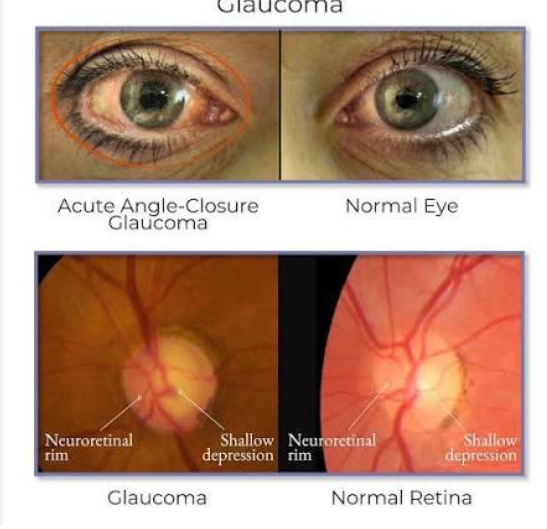
The “Big Five” most feared eye issues include cataracts, glaucoma, diabetic retinopathy, age-related macular degeneration (AMD), and refractive errors. While refractive errors are correctable, the others can lead to permanent vision loss if left untreated. For instance, glaucoma is often called the “silent thief of sight” because it can cause damage without noticeable symptoms until significant vision is lost. Diabetic retinopathy, a complication of diabetes, is a growing concern. Prompt medical attention for sudden symptoms like flashes, unusual floaters, or painless vision loss is critical.
Age-Related Eye Conditions
As we age, our eyes naturally change, leading to several common conditions. For older adults, maintaining independence is closely tied to good vision, making these issues a top priority.
- Cataracts: A clouding of the eye’s lens, cataracts are the leading cause of blindness worldwide and a primary reason for surgery among older expats. In Thailand, cataract surgery is one of the most commonly performed and highly refined procedures.
- Presbyopia: This is the age-related loss of near vision that typically begins in our 40s, making it hard to read small print.
- Age-Related Macular Degeneration (AMD): AMD affects the central part of the retina (the macula), impacting sharp, central vision needed for activities like reading and driving. It is a leading cause of blindness in older populations.
- Refractive Lens Exchange (RLE): For patients over 50, this is an increasingly popular solution. RLE involves replacing the eye’s natural lens with a premium lens implant, correcting presbyopia and eliminating the need for glasses at all distances. It’s often touted as a comprehensive solution for age-related vision decline.
What Most Expats See an Eye Doctor About
Beyond age-related issues, expats in Thailand seek eye care for various lifestyle and health reasons.
- Routine Eye Exams: Regular checkups are essential for catching issues early. In Thailand, a comprehensive exam at a top-tier private hospital is fast and thorough, reassuring many expats about their eye health.
- Dry Eye Syndrome: This is surprisingly common, especially among midlife women. One study found that 64.9% of Thai women aged 41–60 suffered from dry eye symptoms, often exacerbated by computer-based work. This makes it a frequent complaint among working expats.
- LASIK and Refractive Surgery: The appeal of ditching glasses or contact lenses is universal. Thailand is a top destination for vision correction. Standard LASIK is a very common procedure, as is the bladeless ReLEx SMILE, which offers faster recovery and less dry eye.
- Blepharoplasty (Eyelid Surgery): This procedure, which removes excess skin and fat from the upper and lower eyelids, is sought after for both cosmetic and functional reasons, such as improving peripheral vision blocked by drooping lids.
General Costs of Eye Care in Thailand
The main draw for many expats is the significant cost savings, which can be 50-70% less than in Western countries, without compromising on quality.
For routine care, a basic eye exam can cost as little as $10-$20, while a comprehensive one at a top Bangkok hospital is still only around $40-$80 (THB 1,400–2,800).
Surgical costs are where the savings are most dramatic:
- LASIK: Typically ranges from $1,300 to $3,700 (THB 40,800–116,000) for both eyes, depending on the technology used.
- Cataract Surgery: With a standard lens implant, this costs between $1,200 and $2,000 (THB 37,800–63,000) per eye. Premium lenses like multifocal or toric lenses can increase this to $1,800-$2,500.
- Blepharoplasty: Upper eyelid surgery starts around $1,100**, while a procedure on all four lids costs between **$1,900 and $3,300.
- Refractive Lens Exchange (RLE): A high-end procedure for those over 50, RLE costs approximately $3,100 to $3,800 (THB 109,000–135,000) per eye.
These prices are typically all-inclusive, covering the surgeon’s fee, anesthesiologist, operating room, and necessary follow-up care .
In summary, Thailand provides an accessible and high-quality solution for eye care, from routine checkups to complex surgeries. For expats, it offers peace of mind and exceptional value. It is always recommended to check with your health insurance provider about coverage, as medically necessary procedures are often covered while elective surgeries like LASIK are usually paid for out-of-pocket.