

5 Medical Treatments That Can Bankrupt Expats abroad
Thailand is famous for its world-class hospitals, highly trained doctors, and affordable routine care. As an expat, paying $30 for a check-up or $80 for a dental cleaning can feel refreshingly cheap compared to Western prices.
However, this affordability often creates a dangerous illusion: “If the small stuff is cheap, the big stuff won’t be that bad.”
This assumption is wrong—and potentially ruinous. While a GP visit is cheap, emergency surgery and critical care in Thailand’s private hospitals follow an international pricing model. Without a medical insurance policy through brokers like Tigon Consultancy, a single diagnosis can turn your retirement fund into dust.
Here are the five most expensive treatments an uninsured expat can face in Thailand.
1. Cardiac Surgery (Bypass or Angioplasty)
Estimated cost without insurance: 1,200,000 – 2,500,000 THB ($33,000 – $70,000)
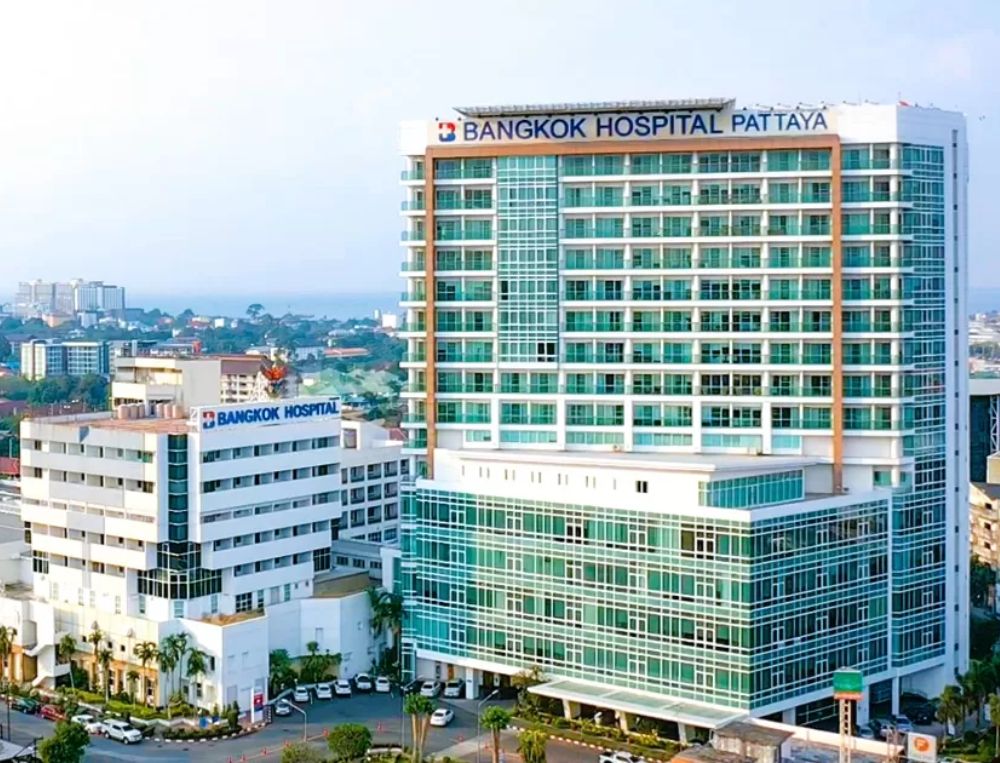
Heart disease is the silent killer of the expat community. Stress, diet, and age don’t disappear just because you live in a tropical paradise. If you suffer a heart attack, you won’t be going to a public hospital where waits are long; you will be rushed to a private international hospital like Bumrungrad or Bangkok Hospital.
A simple angiogram to check for blockages costs upwards of 100,000 THB. If you need a stent (angioplasty) or open-heart bypass surgery, the bill explodes past 2 million THB. Without insurance, you will be asked for a deposit of 500,000 THB before the operating theatre lights turn on.
2. Cancer (Oncology) Treatment
Estimated cost without insurance: 150,000 – 800,000 THB PER MONTH
Cancer is not a single expense; it is a recurring nightmare of bills. Thailand has excellent oncology wards, but the medication is imported from Europe and the USA. Chemotherapy, radiation, and targeted immunotherapy drugs are staggeringly expensive.
For example, a course of modern immunotherapy for lung or skin cancer can cost over 800,000 THB per cycle. Even “standard” chemo and radiation combined over six months can easily clear 3 million THB. Most uninsured expats facing a cancer diagnosis either have to fly home to a country with socialized medicine or drain their life savings.
3. Serious Traffic Accident (Multiple Trauma)
Estimated cost without insurance: 1,000,000 – 10,000,000+ THB
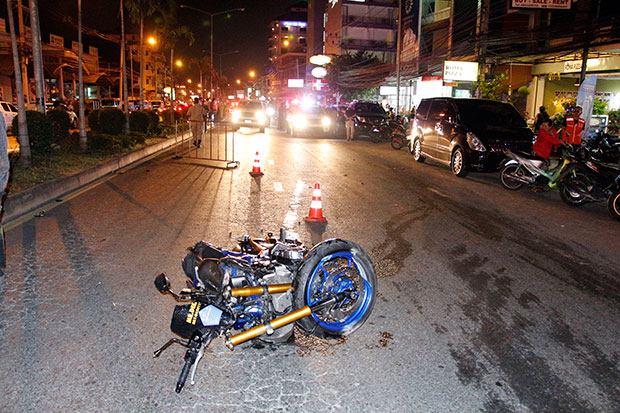
Thailand has one of the highest road fatality rates in the world. As an expat riding a scooter or driving a car, you are statistically likely to have a crash. A broken leg might cost 200k, but that’s not the expensive part.
The “million baht” bill comes from a multi-trauma case: broken pelvis, ruptured spleen, spinal injury, and a traumatic brain injury. These patients need ICU time (50,000 THB/night), multiple surgeries, blood transfusions, CT scans, MRIs, and weeks of hospitalization. It is not uncommon for a severe motorbike accident to generate a bill of 5 to 10 million THB. If you survive, but have no insurance, the hospital will hold your passport and refuse discharge until you pay.
4. Emergency Abdominal Surgery (Appendicitis or Intestinal Blockage)
Estimated cost without insurance: 400,000 – 1,200,000 THB
You might think, “It’s just my appendix,” but in the private system, a “simple” emergency surgery is not simple. If your appendix bursts at 2:00 AM, you are looking at emergency room fees, surgeon fees, anesthesiologist fees (often separate), operating theater rental, a 4-night hospital stay, and intravenous antibiotics.
A straightforward laparoscopic appendectomy can cost 400,000 THB. If complications arise (peritonitis), you are easily over the 1 million THB mark. For a surgery that takes 45 minutes, that is a catastrophic hit to an uninsured bank account.
5. ICU Stay for Viral Pneumonia or Dengue Hemorrhagic Fever
Estimated cost without insurance: 100,000 – 500,000 THB per week
Tropical diseases don’t discriminate. While Dengue fever is common, the hemorrhagic variant requires platelet transfusions and ICU monitoring. Similarly, a serious case of bacterial or viral pneumonia can require a ventilator (respirator).

The Intensive Care Unit is where money evaporates. Monitoring costs, ventilator support, specialist pulmonologist visits, and medication can run 100,000 THB per day in a top-tier hospital. A two-week stay in an ICU for a severe tropical infection can cost 1.4 million THB—simply for breathing support and fluids.
The “Public Hospital” Gamble
Some uninsured expats assume they can just use Thai government hospitals. While these are cheap and fine for Thai citizens, foreigners are often charged a “farang” rate (usually 2-3x the local rate) and may not be admitted for non-emergency life support without a cash deposit. Furthermore, waiting lists for cancer surgery or cardiac catheterization can be months long—time you don’t have.
The Solution: Why Tigon Consultancy Exists
Tigon Consultancy was founded to ensure that expats never have to choose between their health and their retirement.
You do not need a “gold plated” plan to avoid bankruptcy. For the cost of a few nice dinners out per month (approx. 30,000 – 60,000 THB annually for a healthy 40-year-old), you can purchase an inpatient-only policy that covers these catastrophic events.
- For 500,000 THB: You pay your deductible; insurance pays the rest.
- Without Insurance: You lose your house.

Conclusion
Routine healthcare in Thailand is cheap. But catastrophic healthcare is on par with the United States. The risk of a heart attack, a scooter crash, or a cancer diagnosis is a matter of “when,” not “if,” for the long-term expat.
Don’t gamble your visa status and your life savings on a roll of the dice. Contact Tigon Consultancy today for a free health insurance audit. Ensure that if the worst happens, the only thing you worry about is getting better—not paying the bill.
Secure your future in Thailand. Visit Tigon Consultancy or message us directly to compare the top international health insurance plans. Don’t wait for the emergency to happen.