


How to Open an Expat Restaurant in Thailand: A Practical Guide
Thinking of expanding your horizons and starting a restaurant business in Southeast Asia?
Learning how to open an expat restaurant in Thailand is about far more than choosing a great location or designing an eye-catching menu. While Thailand is an incredibly popular destination for foreign entrepreneurs thanks to its lifestyle, tourism, and vibrant food culture, running a restaurant here requires careful planning, the right business structure, and dependable suppliers from day one.
From understanding business and visa requirements to securing a reliable food supply that meets international standards, success comes from getting the fundamentals right early on. For many expat-run kitchens, working with a trusted wholesale expat food supplier in Thailand is one of the most important first decisions, ensuring consistent quality, predictable costs, and smooth day-to-day operations.
Is It Possible for Expats to Open a Restaurant in Thailand?
Yes, expats can open and operate restaurants in Thailand, but there are specific legal and regulatory frameworks that must be followed. Thailand has restrictions on foreign ownership in certain business sectors, including hospitality, which means most expat restaurants operate through Thai-registered companies with defined ownership structures.
While many successful expat-owned restaurants operate legally across Thailand, it’s essential to understand that the process is different from opening a business in Europe or the UK. Professional legal and accounting advice is always recommended before committing to leases or investment.
Key Business Setup Requirements to Be Aware Of
Opening a restaurant in Thailand involves several practical and regulatory steps. While exact requirements vary depending on location and scale, most expat restaurateurs will encounter the following:
- Company registration and business licensing
- Restaurant-specific permits and hygiene compliance
- Food handling and safety standards
- Accounting and tax registration
- Lease agreements and zoning considerations
Getting these elements in place early helps avoid delays and ensures your restaurant can operate smoothly from the outset.
Visas and Work Permits: What Expats Need to Know
One of the most important and often misunderstood aspects of opening a restaurant in Thailand as a foreigner is visa and work permit compliance.
In simple terms:
- Expats cannot legally work in Thailand without the correct visa and work permit
- Owning a business does not automatically grant the right to work in it
- Visa and work permit requirements depend on company structure and role
Because immigration rules can change and are highly specific, it’s essential to work with a licensed Thai visa or legal professional to ensure full compliance. This article is not a substitute for legal advice, but a reminder that immigration planning should happen alongside business planning, not after opening.
Why Choosing the Right Food Supplier Matters from Day One
For expat restaurants, food supply is often one of the biggest operational challenges. Inconsistent ingredients, unreliable delivery, or fluctuating quality can quickly damage customer trust and profitability.
A reliable food supplier should offer:
- Consistent product quality
- Clear food safety standards
- Predictable availability
- Products suited to international menus
Many expat-run kitchens rely on dependable access to meat, frozen foods, bacon, sausages, pies, and ready-to-use products to maintain consistency, especially during busy service periods.
Working with a supplier that understands the needs of professional kitchens can significantly reduce stress and improve operational efficiency.
Building a Menu That Works in Thailand
One of the most common mistakes new expat restaurants make is over-complicating the menu. While authenticity matters, successful kitchens often focus on simplicity, consistency, and smart sourcing.
Practical menu planning tips include:
- Using versatile ingredients across multiple dishes
- Balancing fresh and frozen products to control waste
- Designing menus around reliable supply, not rare imports
- Considering prep time and staffing realities
Frozen and ready-prepared items can be especially valuable for maintaining quality during peak hours while keeping labour and waste under control.
Why Many Expat Restaurants Choose Prime Food Service
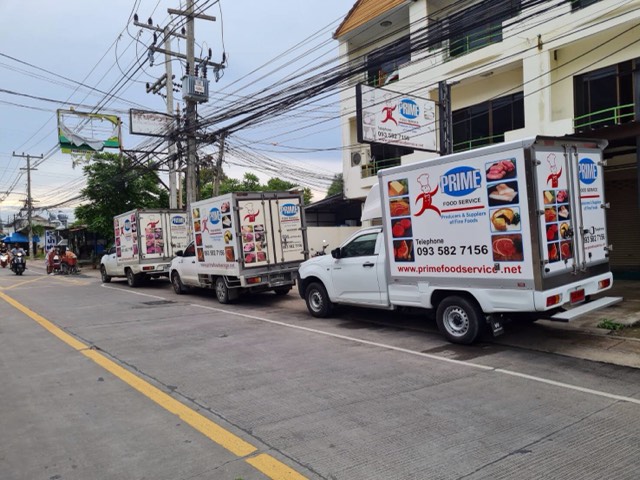
Prime Food Service supports expat-owned restaurants, cafés, bars, and hospitality businesses across Thailand with a wide range of quality food products.
Kitchens choose Prime Food Service for:
- A broad product range including meats, frozen foods, pies, bacon and sausages
- Quality-controlled products suitable for professional kitchens
- Wholesale and retail flexibility
- Friendly service from a team that understands expat foodservice needs
Prime Food Service focuses on what matters most once your doors open, reliable food supply and consistent kitchen performance.
Final Thoughts: Start with the Right Foundations
Opening an expat restaurant in Thailand can be incredibly rewarding, but success depends on preparation, compliance, and choosing the right partners. From visas and business structure to menu planning and food supply, each decision you make early on shapes the long-term health of your business.
With dependable sourcing, realistic planning, and professional advice where required, expat-run restaurants can thrive in Thailand’s dynamic food scene.
We write rarely, but only the best content.